September 24, 2026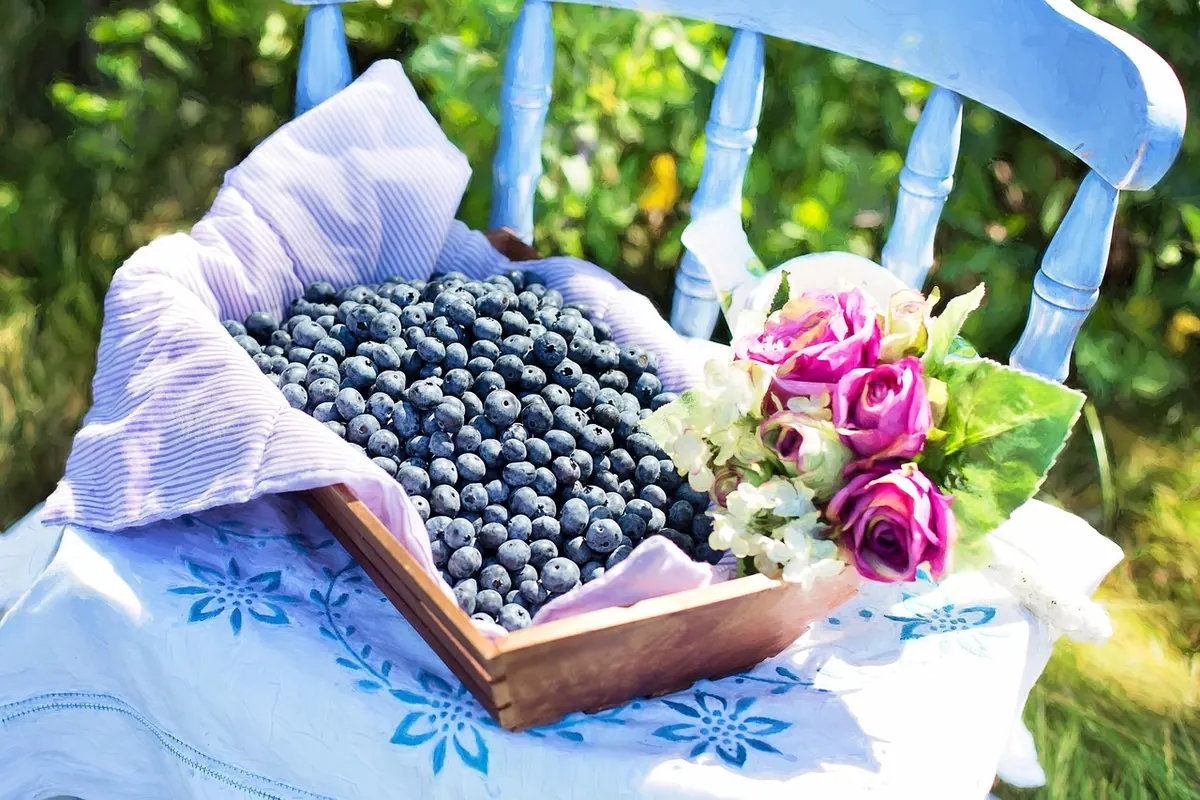
Hedgerow foraging in Britain rewards a little preparation. Turn up in shorts with a flimsy carrier bag and you will spend the afternoon being scratched by brambles, squashing blackberries and wondering what on earth to do with the sloes. Turn up with the right kit and a good September hedge can fill a basket in an hour.
Nothing below is exotic or expensive. It is the ordinary kit that experienced foragers reach for without thinking: the gloves that make sloes bearable, the shallow basket that stops soft fruit turning to jam, the tick tool nobody ever wants to need. Print the checklist at the end, keep it in the boot of the car, and adjust it to suit your own patch.
What to Carry It In
Sort out your containers first, because this is where most forays go wrong. Berries stacked deep in a rucksack crush under their own weight within an hour.
- A shallow trug or willow basket. Soft fruit should sit no more than two layers deep. Air moves through it, so the fruit stays firm and you can see what you have picked.
- Paper bags. Flat-bottomed ones are ideal for mushrooms; they breathe, which stops the caps sweating into slime. They are also useful for keeping different species apart.
- Cotton or mesh bags. Best for hazelnuts, rosehips, crab apples and anything woody that will not bruise.
- Two or three lidded tubs. For damp fruit, for anything delicate, and for the handful of berries you want to keep separate to photograph and identify at home.
- A small cool bag. On a warm day it is the difference between blackberries that last the week and blackberries that ferment in the car.
- A clean tea towel or a roll of kitchen paper. Line the basket with it, and use it to wipe your hands before you eat anything.
Leave the supermarket carrier bags at home. They sweat, they split on thorns, and they turn a basket of damsons into a purple mess.
Tools, Gloves and Guides
Cutting and reaching
- Secateurs. For woody stems — hazel, elder, rosehips — and for cutting into a tangle of blackthorn without losing skin.
- A small folding knife or pruning knife. Keep it in your pack rather than a pocket, and check the current rules on carrying knives in public if you are unsure.
- Gloves. Leather or rigger gloves for brambles, sloes and anything behind barbed wire; thin grippy gloves for picking berries that stain your fingers for days.
- A walking pole or a long stick with a hooked end. Excellent for holding a high branch down with one hand while you pick with the other, and for parting nettles ahead of your boots.
- A telescopic fruit picker. Only worth the space if you are after apples, damsons or bullace that hang well above head height.
Identification
- Two guides. One good photographic guide for speed, and one with proper keys for the plants that photographs cannot settle. A guide covering your region is more use than a general one.
- A 10x hand lens. Hairs on a stem, thorns on a spur, the underside of a leaf — the details that separate one species from another are often smaller than a fingernail.
- A small notebook and pencil. Note what you found and where. A good sloe hedge fruits in roughly the same week each year, and a note from last autumn is worth more than any app.
- A charged phone with offline maps, plus a power bank. Phone signal in deep country lanes is patchy, and hedgerows all look alike on the way back.
What to Wear
Hedgerows are not footpaths. Assume you will be pushing through bramble, brushing against nettles, kneeling on wet grass and standing in mud that has not dried out since March.
- Long sleeves and long trousers. Not negotiable in late summer. Tuck trousers into socks if ticks are a concern.
- Boots with ankle support. Verge edges are uneven, and a rolled ankle two miles from the car spoils the day faster than any thorn.
- A waterproof jacket. Hedges hold water long after rain has stopped, and dribble it down your neck when you reach in.
- A hat and sun cream in summer. A light long-sleeved shirt beats bare arms even in the heat.
- Insect repellent. Midges in damp woodland, mosquitoes near water, ticks in long grass and bracken.
- Spare socks and shoes in the car. You will be glad of them.
Safety Kit and the Habits That Matter More
The kit is short: plasters, antiseptic wipes, a tick tool or fine-tipped tweezers, water, and something to eat. Tell someone where you are going and when you expect to be back. If you are out alone, share a location pin before you set off.
The habits are what keep you well. Never eat anything you cannot identify with complete certainty — if there is any doubt at all, leave it. Cook elderberries rather than eating them raw, and never eat wild fungi raw. Wash foraged food before it goes in your mouth, and wash your hands before you eat on the move. Avoid picking on busy roadside verges, where exhaust fumes and dog fouling are constant, and along the edges of arable fields that may recently have been sprayed. Uprooting a plant is a different matter from picking its leaves or fruit, and the rules vary between sites, so check with the landowner or the local Wildlife Trust before you dig. On nature reserves and protected sites, look at the byelaws first.
If you have allergies, are pregnant, or take regular medication, speak to a pharmacist or GP before trying unfamiliar foraged food. If you feel unwell after eating something wild, seek medical advice promptly and take a photograph or a sample with you.
The Printable Checklist
- Carrying: shallow trug or basket, paper bags, cotton bags, lidded tubs, cool bag, tea towel.
- Tools: secateurs, small knife, gloves, hooked stick, fruit picker.
- Identification: photographic guide, key-based guide, hand lens, notebook and pencil.
- Clothing: long sleeves, long trousers, boots, waterproof, hat, sun cream, repellent.
- Safety: plasters, antiseptic wipes, tick tool, water, snack, charged phone, power bank.
- Before you go: route checked, someone told, permission confirmed, containers counted.
The Night Before: Five Minutes Well Spent
Lay the kit out the evening before rather than at seven in the morning. Check the weather, charge the phone, fill a water bottle, and put the basket by the front door so it is not forgotten. Glance at one or two species you expect to meet — sloes, hazelnuts, rosehips, whatever the month offers — and remind yourself of the features that confirm them.
Then go, pick sensibly, take no more than you will use, and leave plenty on the bush for the birds and for next year. A hedgerow foraged well is still full when you walk away from it.
Photo: JillWellington / Pixabay